
Impact and reporting
The foundation reports how many sessions were funded, for how many patients, and whether patients stayed on the schedule their clinician set.
Measurement
These are the measures the foundation reports against. The figures are published once the reporting cycle begins.
- Sessions funded. The number of subsidised haemodialysis sessions paid for in the period.
- Patients supported. The number of individuals those sessions belonged to.
- Schedule adherence. The number of patients who received the full course prescribed.
- Screenings completed. The number of screenings, and how many abnormal results reached a nephrology assessment.
- Cost per session. The cost to the programme of delivering one session, including the share of running costs.
Sponsorship levels
Use of a gift
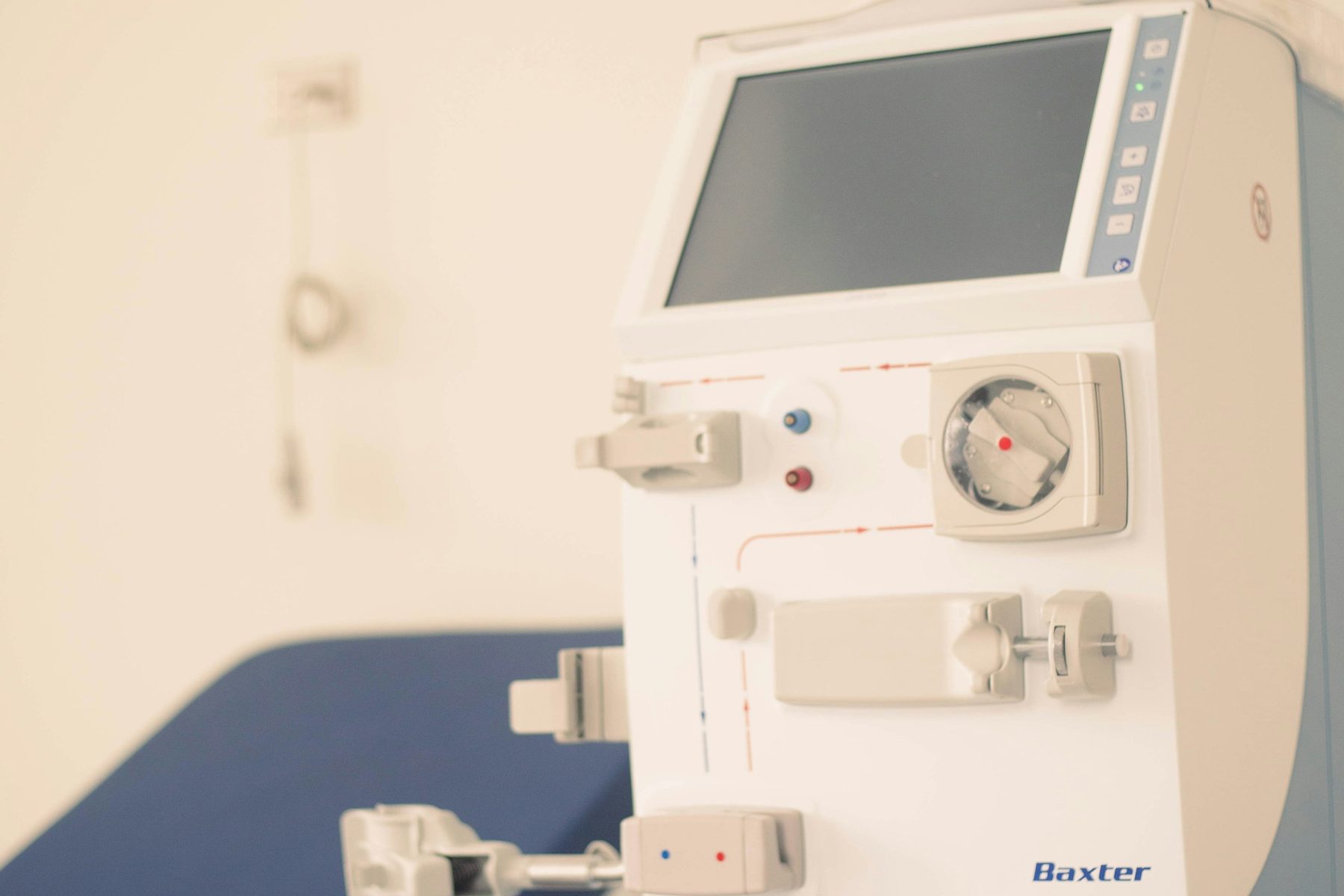
A session on the machine
The direct cost of one haemodialysis treatment for a patient who cannot meet it, covering consumables, clinical time and the share of running the unit.
An early diagnosis
A screening test and, where the result is abnormal, the laboratory work and nephrology assessment that turn a reading into a treatment plan.
A continued course
Weekly and monthly sponsorship keeps a patient on the full schedule.
A stronger renal team
Support for the clinical skills the programme depends on.
Reporting commitments
These are the reporting commitments the foundation is adopting, to be confirmed by the board at its first meeting.
- Quarterly programme update. Sessions funded, patients supported and screenings completed in the quarter, published on this site and sent to every regular donor.
- Annual report and accounts. Income by source, expenditure by category, the cost of running the foundation, and the programme figures for the year.
- Restricted funds tracked separately. Money given for a named purpose is reported against that purpose.
- Trustee sign off. The board approves every published report before it is issued, and the treasurer's review is stated on it.
- Corrections. A published figure that turns out to be wrong is corrected in the next report, with a note of what changed.